Start before size becomes leverage.
Leash manners, handling, recall foundations, gates, household boundaries and calm restraint should begin in puppyhood.

Independent guardian. Clear expectations. Earned trust.
Training a Caucasian Shepherd is less about creating mechanical obedience and more about establishing reliable communication, boundaries and judgment in a dog bred to think independently.
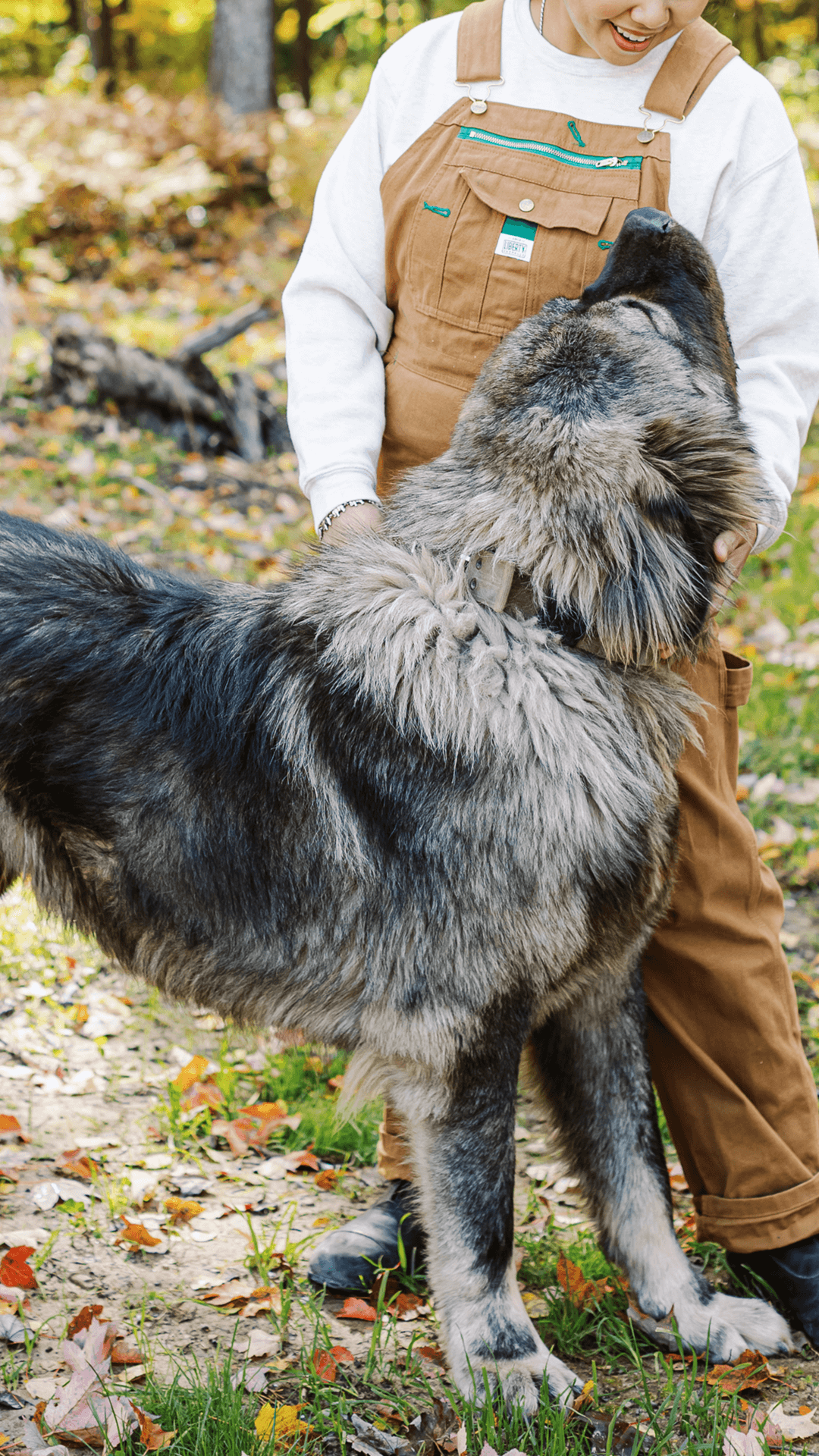
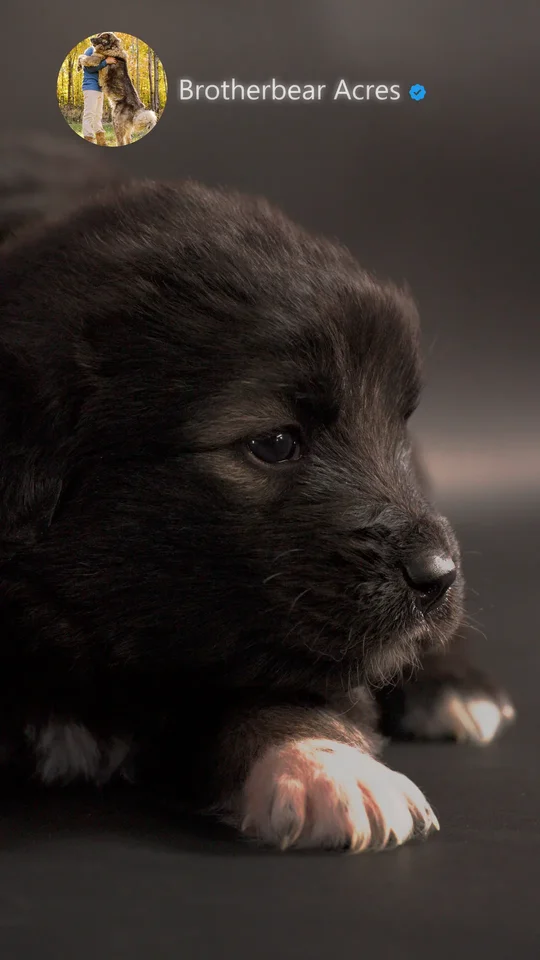
Caucasian Shepherds are intelligent, but their working history rewarded independent decisions. The practical goal is a dog that understands boundaries, responds to essential cues and trusts its handler without losing the judgment that makes a guardian useful.
Leash manners, handling, recall foundations, gates, household boundaries and calm restraint should begin in puppyhood.
Rules should remain predictable. An independent dog quickly notices when expectations change from one person or day to another.
Short purposeful sessions and real-life routines generally make more sense for a guardian than endless repetition with no context.
Secure fencing, controlled introductions, gates, visitor routines and supervision prevent the dog from rehearsing behavior you later have to undo.
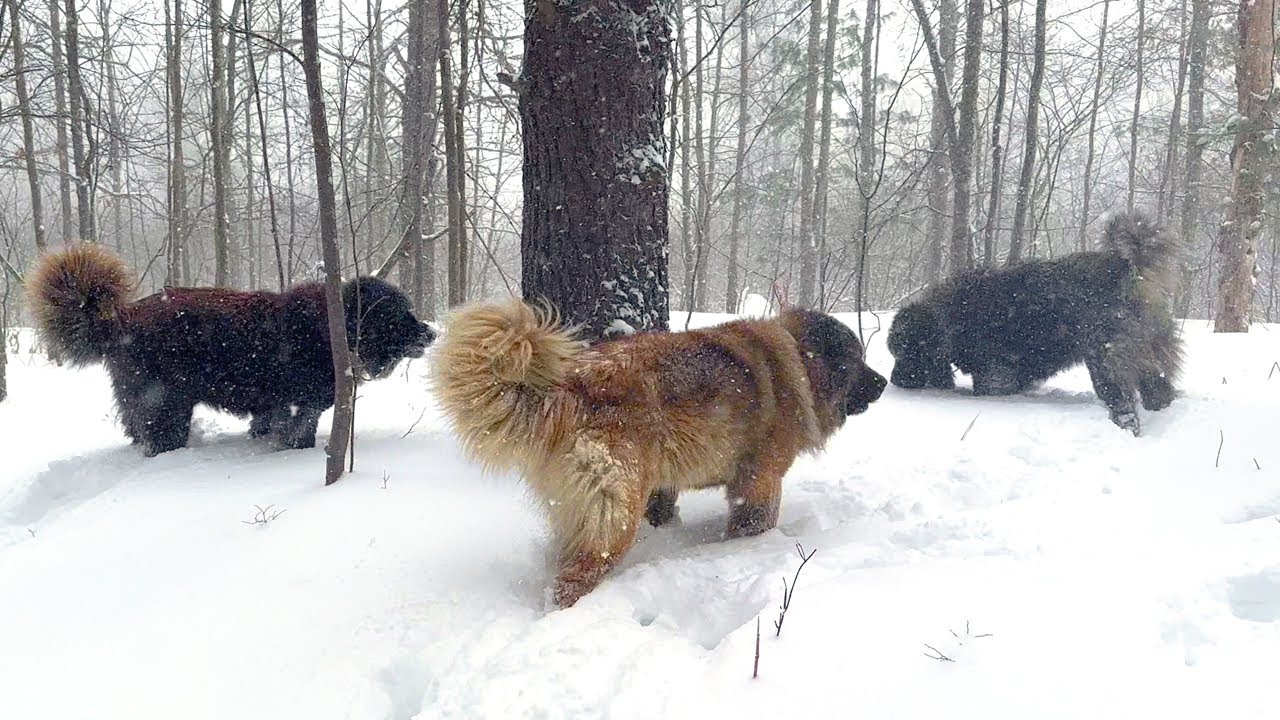
Reliable recall, leash manners and household rules give the dog a framework for living with people. Guardian instinct is different: watching a boundary, noticing wildlife or alerting to unusual activity is part of what the breed was developed to do.
Good handling teaches the dog what happens after the alert. A handler can acknowledge the dog, assess the situation and then ask for disengagement or settling rather than punishing the dog simply for noticing something.
The role changes the emphasis. A family companion needs especially thoughtful visitor routines and household manners; a farm guardian needs livestock exposure and clear property boundaries. Many homes require both skill sets.
Prioritize calm behavior around children, visitors, doors, deliveries, leash handling and everyday routines. The dog should know that the handler controls introductions.
Teach context. Calm social expectations near the home can coexist with alert outdoor behavior when boundaries and routines are clear.
Use supervised livestock exposure, secure fencing and gradual responsibility. Guidance should help the dog understand its job rather than simply turning it loose and hoping instinct handles everything.
The original Brotherbear Acres guide follows development from early puppyhood through adolescence. This condensed timeline keeps those stages visible without turning the main breed page into a textbook.
Handling, littermate learning, surfaces, household sounds and safe human interaction.
Short positive experiences, house rules, leash foundations and calm introductions.
Testing limits, rapid physical growth and the early appearance of territorial behavior.
A physically powerful dog whose judgment is still developing. Management remains essential.
Adults often become more deliberate as physical and mental maturity catch up with one another.
With a giant guardian breed, waiting until unwanted behavior is established makes everything harder. Build routines while the dog is still young enough that every lesson is easy to manage.
Allowing behavior one day and correcting it the next creates unnecessary conflict.
Aloofness does not need to be “fixed” by making strangers touch the dog.
Physical confrontation is a poor long-term strategy with an independent, powerful dog.
Responsibility should expand as the dog demonstrates appropriate behavior around boundaries, livestock and visitors.
Caucasian Shepherd training is most useful when foundations begin while the puppy is young. The goal is not to suppress guardian instinct. It is to develop handling tolerance, boundaries, confidence and a working relationship before the dog reaches adult size.
Feet, ears, coat, collar and routine body handling become ordinary instead of a battle introduced later.
Fence lines, gates, livestock areas and household routines help the puppy understand where it belongs and what is expected.
New sounds, people, animals, equipment and environments are introduced thoughtfully rather than chasing constant stimulation.
We want a guardian that can observe and think, not a dog conditioned to react dramatically to every unfamiliar event.
Exposure is not the same as making the dog love everyone.
A successful guardian should be able to experience normal life without treating every unfamiliar person, sound or place as an emergency.
Introduce calm, trustworthy visitors in controlled settings. Let the puppy observe without forcing interaction.
Cars, equipment, gates, household noise and changing environments help define what belongs to normal life.
When the dog will live with livestock or other animals, early supervised exposure helps establish appropriate relationships.
Social development does not end after puppy class. Guardian behavior often becomes more noticeable as the dog matures.