What must the dog manage?
Think acreage, fencing, neighboring properties, visitors, livestock and how often unfamiliar people enter the dog's territory.

These breeds sit in different FCI groups: the Caucasian Shepherd is a Group 2 mountain-type Molossoid; the German Shepherd is a Group 1 sheepdog and is subject to a working trial.
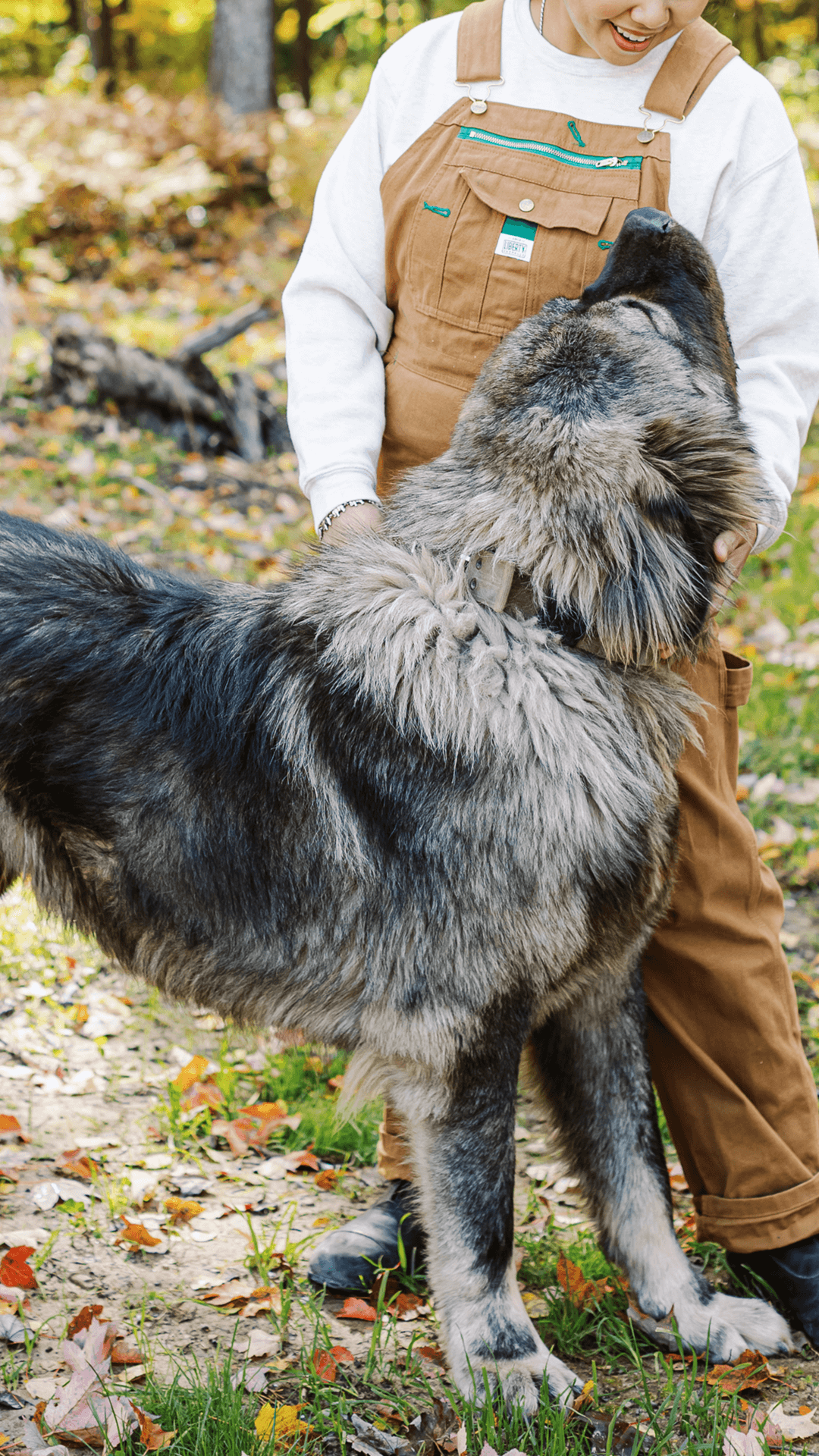
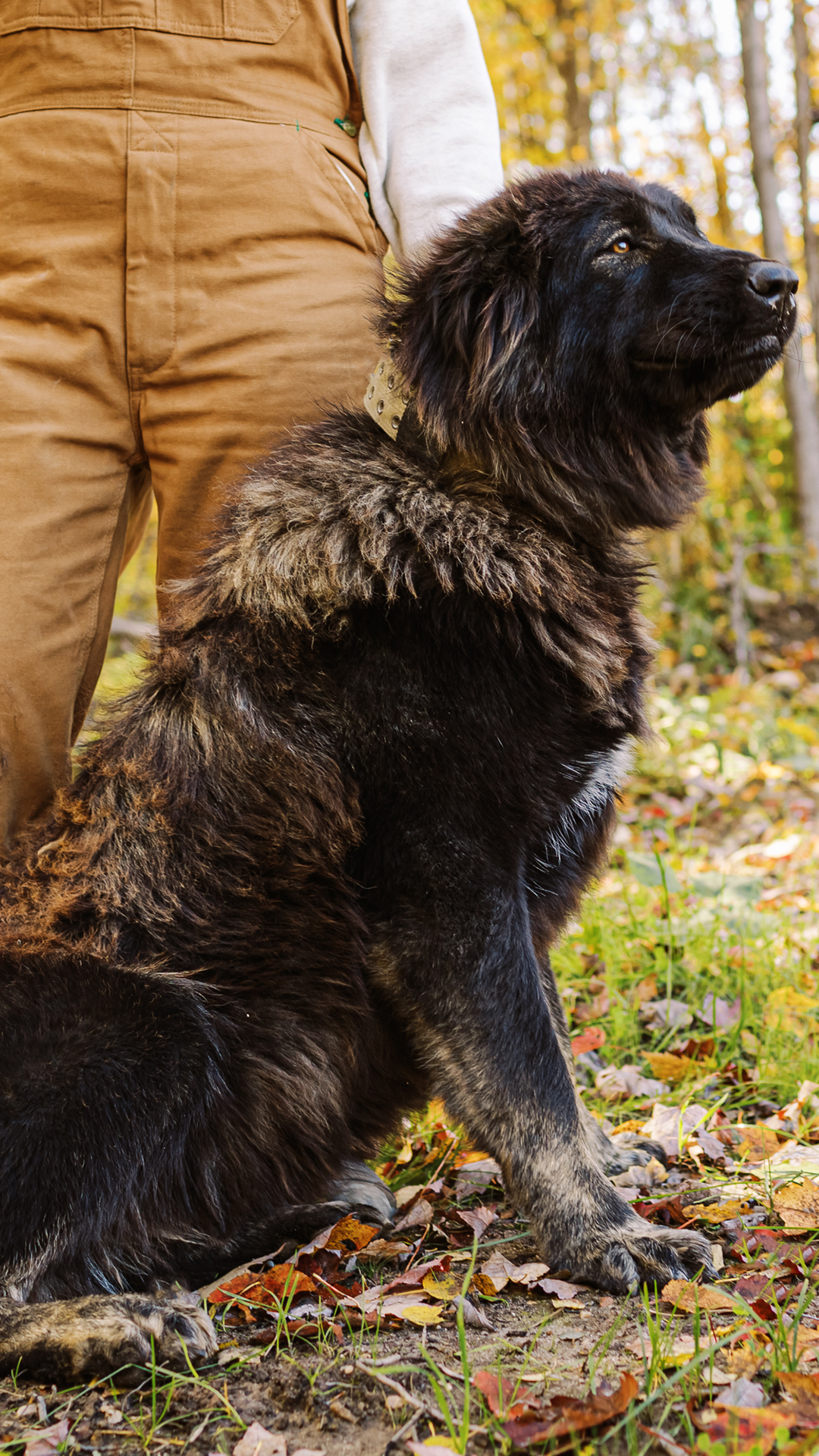 BREED COMPARISON
This is a practical comparison, not a contest. Breed tendencies describe populations; individual dogs vary.
Despite the shared word 'Shepherd,' these breeds were developed for very different working relationships. The German Shepherd became a versatile, handler-directed working dog; the Caucasian Shepherd retained the independent decision-making expected of a livestock and property guardian.
That difference changes training. A German Shepherd is typically chosen when precise handler responsiveness, sport, service or multipurpose work is important. A Caucasian Shepherd is chosen when independent territorial judgment is central to the job.
This is why we removed the old language suggesting one breed simply replaces or outclasses the other. They solve different problems, and the better breed is the one whose original purpose fits the owner's actual needs.
Think acreage, fencing, neighboring properties, visitors, livestock and how often unfamiliar people enter the dog's territory.
Flock protection, home deterrence, active handling, family companionship and open-range work reward different traits.
Some owners want precise handler responsiveness. Others intentionally choose a guardian bred to assess situations with less direction.
Brotherbear Acres' first-hand experience is with the Caucasian Shepherd. Classification and recognized breed information are cross-checked against official FCI breed-standard material.
View the official German Shepherd FCI reference →View the official Caucasian Shepherd FCI reference →